
Insights
Why Secure Transactions Are No Longer Optional in Today’s Digital Economy
The way we do business has changed completely. Deals that once required physical meetings, paperwork, and handshakes are now happening through smartphones, emails, and online platforms. From buying cars and renting property to hiring freelancers and purchasing goods from online marketplaces, transactions have become faster and more convenient than ever before.
But with that convenience comes a growing risk.
Every day, individuals and businesses are losing money through fraudulent transactions. Scammers are becoming more sophisticated, taking advantage of trust, urgency, and the lack of proper safeguards in digital deals. What used to be rare incidents are now common occurrences, affecting people across all industries and income levels.
The reality is simple: trust alone is no longer enough.
The Growing Risk in Digital Transactions
Many online transactions today still rely on informal agreements. A buyer sends money upfront hoping the seller delivers. A seller ships goods trusting the buyer will complete payment. In service-based industries, freelancers often begin work without any guarantee they will be paid.
This system leaves both parties exposed.
Scammers exploit this gap by creating convincing profiles, fake listings, or urgent deals that push people into making quick decisions. Once the money is sent, it becomes extremely difficult, and sometimes impossible, to recover.
In markets where mobile payments and digital banking are widely used, the speed of transactions has made it even easier for fraudsters to disappear without a trace.
Why Traditional Safeguards Are Failing
People often try to protect themselves using basic methods such as:
- Verbal agreements
- Screenshots of conversations
- Partial payments or deposits
- Personal references
While these methods may offer some level of reassurance, they are not reliable protection mechanisms. They do not enforce accountability, nor do they guarantee that both parties will fulfill their obligations.
In most cases, once a transaction goes wrong, there is no structured process to resolve the dispute fairly.
Introducing a Smarter Way to Transact
This is where escrow services are changing the game.
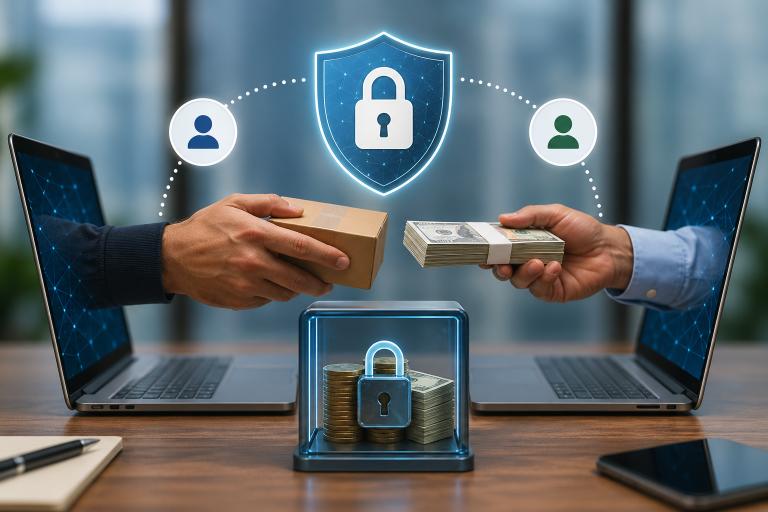
Escrow introduces a neutral third party into the transaction. Instead of sending money directly to the seller, the buyer deposits funds into a secure system. The funds are only released once both parties meet the agreed conditions.
This simple shift transforms the entire transaction dynamic:
- Buyers are protected from losing money without receiving value
- Sellers are assured that funds are secured before delivering goods or services
- Both parties operate within a structured, transparent process
How eConfirm Is Solving This Problem
At eConfirm, we have built a system designed to bring trust, structure, and accountability into digital transactions.
Our platform allows users to create secure transactions where funds are held safely until both parties fulfill their obligations. Every step of the process is documented, transparent, and verifiable, reducing the chances of disputes and eliminating opportunities for fraud.
Whether you are dealing with high-value assets like vehicles and property, running an e-commerce business, or offering professional services, eConfirm provides a safer way to transact.
We understand that trust is important, but we also believe that trust should be supported by systems that protect everyone involved.
Real-World Applications of Secure Escrow
Secure transaction systems are no longer limited to large corporations. They are becoming essential for everyday transactions, including:
- Buying and selling vehicles
- Real estate transactions and deposits
- Online marketplace purchases
- Freelance and remote work payments
- Business-to-business deals
In each of these scenarios, escrow ensures that neither party carries unnecessary risk.
The Cost of Ignoring Transaction Security
Many people only realize the importance of secure transactions after they have experienced a loss. Unfortunately, by that point, the damage has already been done.
Financial loss is only part of the impact. Fraud can also lead to:
- Loss of time and productivity
- Damage to business reputation
- Emotional stress and loss of confidence in online transactions
As digital transactions continue to grow, the cost of ignoring security will only increase.
Building a Safer Digital Future
The future of business is digital, and with that comes the responsibility to adopt safer ways of transacting.
Secure systems like eConfirm are not just tools, they are becoming essential infrastructure for modern commerce. They create an environment where people can transact with confidence, knowing that their money and interests are protected.
As more individuals and businesses embrace secure transaction methods, we move closer to a digital economy built on accountability rather than uncertainty.
Final Thoughts
The question is no longer whether digital transactions are the future. That is already clear.
The real question is whether those transactions are secure.
Relying on trust alone is a risk that fewer people can afford to take. Structured, transparent, and secure systems are the way forward.
eConfirm exists to make that transition simple, accessible, and reliable for everyone.
Because in today’s world, safe transactions are not a luxury, they are a necessity.