
Insights
How Escrow is Transforming Trust in Online Transactions in Kenya
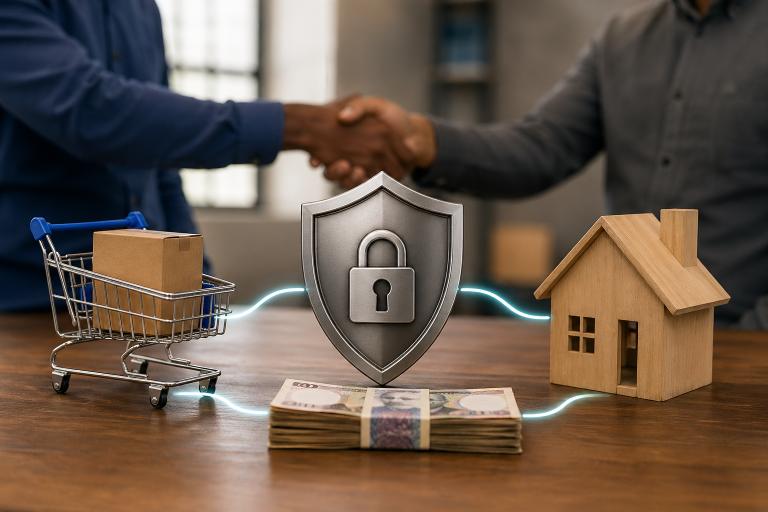
In today’s fast-moving digital economy, more people are buying, selling, and doing business online than ever before. From vehicles and real estate to electronics and freelance services, transactions are increasingly happening between people who may never meet face to face. While this convenience has opened new opportunities for individuals and businesses, it has also introduced a serious challenge that continues to grow each year. That challenge is trust.
Across Kenya, the number of digital transactions has increased significantly due to mobile payments, online marketplaces, and social media commerce. People now buy cars through online listings, rent houses without visiting the property first, and pay deposits to suppliers they have never physically met. These changes have made business faster and more accessible, but they have also created an environment where fraudsters can take advantage of unsuspecting buyers and sellers.
For many people, a single bad experience can lead to financial loss, emotional stress, and a long-lasting fear of online transactions. Businesses can also suffer reputational damage when disputes arise, even when they acted in good faith. As a result, trust has become one of the most valuable assets in modern commerce. Without trust, transactions slow down, opportunities are missed, and growth becomes difficult.
This is where escrow services are changing the way transactions are conducted. Platforms like eConfirm are introducing a safer and more structured way for people to exchange money and goods without exposing themselves to unnecessary risk.
The Rising Risk of Online Scams and Transaction Disputes
Fraud and transaction disputes are no longer rare events. They are becoming increasingly common in both personal and business transactions. Many scams follow predictable patterns, yet they continue to succeed because people often feel pressure to act quickly or trust the wrong person.
Some of the most common risks include:
Paying for goods that are never delivered
Receiving items that are different from what was promised
Sending deposits to fake sellers or agents
Releasing goods before receiving payment
Disagreements about services that were partially completed
Miscommunication about delivery timelines or product quality
These situations affect both buyers and sellers. A buyer may lose money after paying for a product that never arrives. A seller may ship goods only to discover that the payment was reversed or never made. In business transactions, disputes can delay projects, damage relationships, and create legal complications.
The reality is simple. Traditional payment methods alone do not provide protection once money has been transferred. After funds are sent, recovering them can be difficult, time-consuming, and sometimes impossible.
That is why many individuals and organizations are now looking for systems that provide built-in protection before, during, and after a transaction takes place.
Understanding How Escrow Creates Balance and Security
Escrow is a financial arrangement that introduces a trusted third party into a transaction. Instead of sending money directly to the seller, the buyer deposits funds into a secure holding account. The funds remain protected until both parties meet the agreed conditions.
This structure creates a balanced environment where neither party is forced to take unnecessary risks.
For buyers, escrow ensures that payment is only released after the product or service is delivered as promised.
For sellers, escrow confirms that the buyer has already secured the funds before the transaction begins.
For both parties, escrow reduces uncertainty and provides a clear process for resolving disagreements.
The process is straightforward and transparent.
First, the buyer and seller agree on the terms of the transaction.
Second, the buyer deposits the payment into escrow.
Third, the seller delivers the product or service.
Fourth, the buyer confirms satisfaction.
Finally, the funds are released to the seller.
This structured approach removes guesswork and replaces it with accountability.
Why Escrow is Becoming Essential in Kenya’s Digital Economy
Kenya is widely recognized as a leader in digital payments and mobile money adoption. Businesses and individuals rely heavily on electronic transactions to conduct daily operations. As digital commerce continues to expand, the need for secure transaction systems is becoming more urgent.
Escrow is no longer limited to large corporate deals or international trade. It is now relevant to everyday transactions that involve risk or significant value.
Examples of situations where escrow is particularly useful include:
Vehicle purchases between private individuals
Real estate deposits and property transactions
Online marketplace sales of electronics and equipment
Construction and renovation projects
Freelance and consulting services
Bulk supply and wholesale orders
Import and export transactions
Business partnerships and joint ventures
In each of these cases, the stakes are high. A mistake or misunderstanding can result in financial loss, delays, or damaged relationships. Escrow provides a safety mechanism that protects both sides while keeping the transaction moving forward.
How eConfirm is Building a Safer Transaction Environment
eConfirm was developed to address the growing need for secure, transparent, and reliable transaction management in Kenya. The platform is designed to protect funds, reduce disputes, and create confidence between parties who may not know each other personally.
By acting as a neutral intermediary, the system ensures that money is handled responsibly and released only when agreed conditions are satisfied. This approach helps prevent fraud, reduce misunderstandings, and create a more professional transaction experience.
Some of the practical advantages include:
Secure holding of funds throughout the transaction lifecycle
Clear documentation of transaction terms and milestones
Real-time tracking of transaction status
Reduced risk of payment-related disputes
Improved trust between buyers and sellers
Structured dispute resolution processes
Greater accountability for both parties
These benefits are particularly important for businesses that rely on repeat customers and long-term relationships. A secure transaction system not only protects money but also protects reputation.
The Role of Awareness in Preventing Fraud
Technology alone cannot eliminate fraud. Awareness and responsible behavior are equally important. Many scams succeed because people act quickly without verifying information or understanding the risks involved.
Simple precautions can significantly reduce the likelihood of falling victim to fraud.
Always verify the identity of the person or business you are dealing with
Avoid sending money directly to unfamiliar individuals
Request written agreements for high-value transactions
Confirm product details and delivery timelines before making payment
Use secure transaction platforms when dealing with unknown parties
Education and awareness are powerful tools in the fight against fraud. Understanding how scams operate allows individuals and businesses to recognize warning signs early and take appropriate action.
For a deeper understanding of the risks and the importance of protection in modern transactions, you can read this related article:
https://econfirm.co.ke/insights/preventing-scams-in-a-digital-world-why-protection-matters-now-more-than-ever
This resource explains why protection mechanisms are becoming essential as digital transactions continue to grow.
Building Confidence in Every Transaction
Trust is the foundation of successful commerce. Without trust, buyers hesitate to make payments, sellers hesitate to deliver goods, and businesses struggle to grow. A secure transaction environment encourages participation, strengthens relationships, and supports economic development.
Escrow services provide a practical solution to one of the most persistent challenges in modern business. They create a structured process where money is protected, expectations are clear, and accountability is shared.
As more transactions move online, the demand for reliable protection will continue to increase. Individuals and businesses that adopt secure transaction systems today will be better prepared for the future.
Platforms like eConfirm are helping shape that future by making trust a built-in feature of every transaction.